
Step into any small office in Malaysia around noon, and you’ll instantly understand why air conditioning isn’t just a luxury—it’s a necessity. With average daytime temperatures often exceeding 30°C and humidity levels hovering above 70%, the indoor environment can quickly become uncomfortable without proper cooling. But beyond comfort, temperature plays a direct role in productivity, focus, and even employee morale.
Studies have shown that productivity drops significantly when indoor temperatures rise above 25°C. Employees tend to feel sluggish, lose concentration faster, and even make more mistakes. Imagine trying to meet deadlines or handle customer calls while constantly wiping sweat off your forehead—it’s far from ideal. A well-regulated air-conditioned environment, on the other hand, keeps employees alert, comfortable, and efficient throughout the day.
There’s also a psychological angle to consider. A cool, well-ventilated office creates a sense of professionalism and care. It subtly communicates that the employer values employee well-being, which can boost morale and reduce turnover. On the flip side, poor air circulation and overheating can lead to frustration, irritability, and even conflicts among team members.
Think of your office aircond system like the engine oil in a car. You don’t always notice it when it’s working perfectly, but once it fails, everything else starts breaking down. Investing in the right air conditioning solution isn’t just about staying cool—it’s about maintaining a smooth, productive workflow every single day.
Running a small office in Malaysia comes with its own unique set of cooling challenges. Unlike larger corporate buildings that often have centralized HVAC systems, small offices typically rely on individual air conditioning units, which can sometimes struggle to maintain consistent temperatures.
One common issue is uneven cooling. You might notice one corner of the office feeling like a freezer while another feels like a sauna. This usually happens due to poor placement of units or incorrect sizing. An undersized aircond unit will constantly run at full capacity without effectively cooling the space, while an oversized one may cool too quickly without properly dehumidifying the air.
Humidity is another major factor. Malaysia’s tropical climate means that air conditioning systems must do more than just cool—they also need to remove excess moisture. Without proper dehumidification, the office can feel sticky and uncomfortable even when the temperature is low. This can also lead to mold growth, which poses health risks and damages equipment.
Energy consumption is another concern for small businesses trying to manage operational costs. Older or inefficient air conditioning systems can significantly increase electricity bills, especially when used for long hours. This is why many office owners are now shifting towards energy-efficient inverter systems.
Lastly, maintenance is often overlooked. Dust buildup, clogged filters, and refrigerant leaks can reduce efficiency and lead to unexpected breakdowns. Without regular servicing, even the best aircond system will fail to deliver optimal performance over time.
Understanding these challenges is the first step toward choosing the best aircond solution for your small office. Once you know what you’re up against, making the right decision becomes much easier.
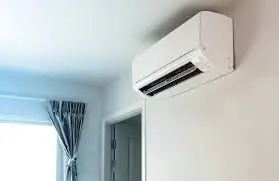
When it comes to small offices in Malaysia, wall-mounted split air conditioners are by far the most popular choice—and for good reason. These systems strike a perfect balance between affordability, efficiency, and ease of installation, making them ideal for businesses operating on a modest budget.
A split unit consists of two main components: an indoor unit mounted on the wall and an outdoor compressor. This design not only minimizes indoor noise but also allows for efficient cooling distribution. For small offices with limited space, this setup is incredibly practical because it doesn’t require extensive ductwork or major renovations.
One of the biggest advantages of wall-mounted units is their flexibility. You can install multiple units in different rooms or zones, allowing for customized cooling based on specific needs. For example, a meeting room may require stronger cooling compared to a storage area. This zoning capability helps optimize energy usage and ensures that no area is overcooled or undercooled.
Modern split units also come equipped with advanced features such as inverter technology, air purification filters, and smart controls. These features not only enhance comfort but also improve indoor air quality—an important factor in maintaining a healthy work environment.
However, it’s important to choose the right capacity. Installing a unit that’s too small will result in constant overworking, while an oversized unit can lead to energy wastage. Consulting professionals like Rahima Aircond Services (rahimaaircondservices.com) can help you determine the perfect setup for your office.
In short, if you’re looking for a reliable, cost-effective, and efficient cooling solution, wall-mounted split units are hard to beat. They’re the go-to option for many small businesses—and for very good reasons.
Portable air conditioners often catch the attention of small office owners who are looking for a quick, flexible, and budget-friendly cooling solution. At first glance, they seem like the perfect answer—no permanent installation, easy mobility, and relatively lower upfront costs. But are they truly suitable for a professional office environment in Malaysia’s hot and humid climate?
Let’s break it down. Portable air conditioners are standalone units that can be moved from one room to another, making them ideal for temporary setups or shared workspaces. If your office layout changes frequently or you’re operating in a rented space where permanent installation isn’t allowed, this option offers undeniable convenience. You simply plug it in, position the exhaust hose near a window, and you’re good to go.
However, convenience comes with trade-offs. Portable units generally have lower cooling capacity compared to split systems, which means they may struggle to effectively cool larger office spaces. In Malaysia’s intense heat, this limitation becomes even more noticeable. You might find the unit running continuously without achieving the desired temperature, leading to higher energy consumption and less comfort.
Noise is another factor worth considering. Since all components are housed within a single unit, portable airconds tend to be louder than split systems. In a quiet office environment where focus and communication are essential, this can become a distraction.
That said, portable air conditioners can still be a practical secondary solution. For example, they work well in server rooms, temporary workstations, or areas that need occasional cooling. Think of them as a backup plan rather than your main cooling system.
If you’re unsure whether a portable unit fits your office needs, consulting professionals like Rahima Aircond Services can help you weigh the pros and cons based on your specific setup.
If you’ve ever walked into a modern office and wondered how the space feels evenly cool without visible wall units, chances are you were experiencing a ceiling cassette air conditioning system. These systems are becoming increasingly popular in Malaysia, especially for small offices aiming for a sleek, professional appearance without sacrificing performance.
Ceiling cassette units are installed within the ceiling, distributing cool air in four directions. This design ensures uniform cooling across the entire room, eliminating the common problem of hot and cold spots. For offices with open layouts or shared workspaces, this feature is a game-changer. Everyone enjoys consistent comfort, no matter where they’re seated.
One of the biggest advantages of ceiling cassette systems is aesthetics. Unlike wall-mounted units, they blend seamlessly into the ceiling, maintaining a clean and uncluttered look. This is particularly important for businesses that frequently host clients or want to create a polished impression.
Performance-wise, these systems are powerful and efficient. They are capable of cooling larger areas compared to standard split units, making them suitable for offices with higher occupancy. Additionally, many models come with advanced airflow control and energy-saving features, helping you maintain comfort without skyrocketing electricity bills.
However, installation can be more complex and costly. Since the unit is embedded in the ceiling, it requires sufficient ceiling space and professional expertise. This is not a DIY job by any means. Working with experienced providers like Rahima Aircond Services ensures proper installation, which is crucial for optimal performance and longevity.
In essence, ceiling cassette systems are an excellent investment if you’re looking for a balance between aesthetics, efficiency, and powerful cooling. They may require a higher upfront cost, but the long-term benefits often outweigh the initial expense.
Choosing between inverter and non-inverter air conditioning systems can feel a bit like deciding between a fuel-efficient hybrid car and a traditional engine. Both will get the job done, but the way they operate—and the long-term costs—are quite different.
Non-inverter air conditioners work on a simple principle: they turn on at full power to cool the room and then shut off once the desired temperature is reached. When the temperature rises again, the cycle repeats. While this method is straightforward, it can lead to higher energy consumption due to constant starting and stopping.
Inverter systems, on the other hand, operate more intelligently. Instead of shutting off completely, they adjust the compressor speed to maintain a consistent temperature. This results in smoother operation, lower energy usage, and less wear and tear on the system. Over time, this can translate into significant cost savings—something every small business owner can appreciate.
Here’s a quick comparison:
| Feature | Inverter Aircond | Non-Inverter Aircond |
|---|---|---|
| Energy Efficiency | High | Moderate |
| Noise Level | Low | Higher |
| Initial Cost | Higher | Lower |
| Long-Term Savings | Significant | Limited |
| Temperature Stability | Consistent | Fluctuates |
For small offices in Malaysia, where air conditioning often runs for long hours, inverter systems are usually the smarter choice. Yes, the upfront cost is higher, but the reduction in electricity bills and improved comfort make it a worthwhile investment.
If budget constraints are a concern, you might consider starting with a non-inverter unit and upgrading later. However, consulting with experts like Rahima Aircond Services can help you calculate the long-term cost benefits and make a more informed decision.
Selecting the right air conditioning system isn’t just about picking a brand or model—it’s about matching the unit’s capacity to your office size. This is where BTU (British Thermal Unit) comes into play. Think of BTU as the muscle of your aircond; it determines how much cooling power the unit can deliver.
If your unit has too few BTUs for your space, it will struggle to cool the room effectively, running continuously and driving up energy costs. On the flip side, an oversized unit may cool the room too quickly without properly removing humidity, leaving the space feeling damp and uncomfortable.
For small offices in Malaysia, a general guideline looks something like this:
| Office Size | Recommended BTU |
|---|---|
| 100–150 sq ft | 5,000–6,000 BTU |
| 150–300 sq ft | 7,000–10,000 BTU |
| 300–500 sq ft | 12,000–18,000 BTU |
But here’s the catch—these numbers aren’t one-size-fits-all. Factors like ceiling height, number of occupants, equipment heat, and sunlight exposure all influence the required capacity. A room filled with computers and people will naturally generate more heat than a storage area.
This is why professional assessment is so valuable. Experts from Rahima Aircond Services can evaluate your office layout and recommend the most suitable BTU range, ensuring optimal performance and efficiency.
Getting this right from the start saves you from headaches down the road. It’s not just about staying cool—it’s about staying efficient and cost-effective.
When running a small office, every ringgit counts. Air conditioning can easily become one of the largest contributors to your electricity bill, especially in Malaysia where it’s used almost daily. That’s why energy efficiency isn’t just a nice-to-have—it’s a critical factor in choosing the right system.
Modern air conditioners come with energy efficiency ratings, often indicated by star labels. The higher the rating, the more efficient the unit. Inverter technology, as discussed earlier, also plays a significant role in reducing power consumption. According to industry estimates, inverter airconds can save up to 30–50% more energy compared to non-inverter models.
But efficiency isn’t just about the unit itself. Installation quality, insulation, and usage habits all impact energy consumption. For example, setting your thermostat to 24–25°C instead of blasting it at the lowest temperature can make a noticeable difference in your monthly bill.
Regular maintenance also ensures that your system operates efficiently. Dirty filters and clogged coils force the unit to work harder, increasing energy usage. Scheduling routine servicing with professionals like Rahima Aircond Services helps keep your system in top condition.
In the long run, investing in an energy-efficient air conditioning system pays off. Lower utility bills, reduced environmental impact, and improved comfort—it’s a win-win situation for any small office.
Noise might not be the first thing that comes to mind when choosing an air conditioning system, but spend a few hours in a humming office and you’ll quickly realize how important it is. In a small office environment—where conversations, phone calls, and focused work happen simultaneously—even a moderate level of background noise can become a constant distraction.
Air conditioners vary significantly in terms of noise output. Traditional non-inverter units tend to be louder because they frequently turn on and off at full power, creating noticeable sound spikes. Portable air conditioners are often the noisiest since all components are housed in a single unit inside the room. On the other hand, inverter split systems and ceiling cassette units are generally much quieter, offering a more consistent and subtle hum that blends into the background.
Why does this matter so much? Because noise directly affects productivity and mental fatigue. Imagine trying to concentrate on a detailed report or participate in a client call while a loud aircond unit keeps interrupting your thoughts. Over time, this can lead to reduced efficiency and increased stress levels among employees.
Most modern air conditioners specify their noise levels in decibels (dB). For reference, a quiet office environment typically ranges between 40–50 dB. High-quality split units can operate within or even below this range, making them ideal for professional settings.
Placement also plays a role. Installing the indoor unit too close to workstations can amplify perceived noise, even if the unit itself is relatively quiet. This is where professional planning becomes essential. Experts like Rahima Aircond Services understand how to position units strategically to minimize noise disruption while maximizing airflow.
Ultimately, a quiet air conditioning system isn’t just about comfort—it’s about creating an environment where people can think clearly, communicate effectively, and perform at their best without unnecessary distractions.
When it comes to air conditioning in Malaysia, Daikin is practically a household name. Known for its reliability, energy efficiency, and advanced technology, Daikin has built a strong reputation among both residential and commercial users. For small offices, this brand often stands out as a dependable long-term investment.
One of Daikin’s biggest strengths is its focus on inverter technology. Their units are designed to maintain consistent temperatures while minimizing energy consumption, which is crucial for offices that run air conditioning for extended hours. This not only helps reduce electricity bills but also ensures a more comfortable working environment without sudden temperature fluctuations.
Durability is another area where Daikin shines. Malaysian weather can be harsh on outdoor compressor units, with constant exposure to heat, humidity, and heavy rain. Daikin systems are engineered to withstand these conditions, making them a reliable choice for long-term use. Many users report fewer breakdowns and lower maintenance requirements compared to lesser-known brands.
Daikin also places a strong emphasis on air quality. Their systems often include advanced filtration features that help remove dust, allergens, and even certain airborne bacteria. In a small office where multiple people share the same space, this can make a noticeable difference in overall health and comfort.
Of course, quality comes at a price. Daikin units are generally more expensive upfront compared to budget brands. However, when you factor in energy savings, durability, and performance, the investment often pays off over time.
For businesses looking to install Daikin systems, working with experienced providers like Rahima Aircond Services ensures proper setup and maintenance, helping you get the most out of your investment.
Panasonic is another top-tier brand that has earned the trust of Malaysian businesses over the years. Known for its innovation and user-friendly features, Panasonic air conditioners strike a strong balance between performance, affordability, and energy efficiency.
One of Panasonic’s standout features is its nanoe™ air purification technology. This system helps eliminate airborne pollutants, bacteria, and odors, making it particularly beneficial for office environments where air quality can impact employee health and productivity. If your office is located in a busy urban area with higher pollution levels, this feature becomes even more valuable.
Energy efficiency is also a key focus for Panasonic. Many of their models come with high energy star ratings and inverter technology, helping businesses reduce operational costs without compromising on cooling performance. Over time, this can lead to substantial savings, especially for offices that operate long hours.
Panasonic units are also known for their quiet operation, which is a major advantage in small office settings. The ability to maintain a peaceful work environment while staying cool is something every business owner can appreciate.
In terms of design, Panasonic offers sleek and modern units that blend well with office interiors. While aesthetics might not be the top priority, it certainly adds to the overall professional appearance of the workspace.
Maintenance is relatively straightforward, but like any air conditioning system, regular servicing is essential. Partnering with professionals such as Rahima Aircond Services ensures that your Panasonic units remain in optimal condition for years to come.
If reliability and performance are at the top of your priority list, Mitsubishi Electric is a brand that deserves serious consideration. Known for its robust engineering and long lifespan, Mitsubishi systems are often seen as a premium choice for businesses that want minimal hassle over the years.
One of the key advantages of Mitsubishi air conditioners is their exceptional build quality. These units are designed to handle continuous operation, making them ideal for offices that require consistent cooling throughout the day. Even under heavy usage, they maintain stable performance without frequent breakdowns.
Mitsubishi also excels in energy efficiency. Their inverter systems are engineered to optimize power consumption while delivering powerful cooling. This is particularly important in Malaysia, where air conditioning usage can significantly impact monthly expenses.
Another notable feature is their advanced airflow control. Mitsubishi units are designed to distribute air evenly, reducing hot spots and ensuring a consistent temperature across the office. This contributes to a more comfortable and productive work environment.
Noise levels are impressively low, making these units suitable for offices where concentration and communication are essential. Employees can work without the constant distraction of a loud air conditioning system.
While Mitsubishi units tend to be on the higher end of the price spectrum, their durability and efficiency often justify the cost. With proper installation and maintenance from trusted providers like Rahima Aircond Services, these systems can serve your office reliably for many years.
For small offices operating on a tighter budget, Midea offers a compelling alternative. While it may not carry the same premium reputation as Daikin or Mitsubishi, Midea has gained popularity in Malaysia for delivering solid performance at a more affordable price point.
Midea air conditioners are particularly attractive for startups and small businesses looking to minimize initial costs. Despite their lower price, many models still come equipped with inverter technology and decent energy efficiency ratings, making them a practical choice for everyday use.
One of Midea’s strengths is its value for money. You get reliable cooling, modern features, and acceptable durability without breaking the bank. For offices that don’t require heavy-duty performance, this can be more than sufficient.
However, it’s important to manage expectations. Midea units may not offer the same level of advanced features, ultra-quiet operation, or long-term durability as higher-end brands. Regular maintenance becomes even more crucial to ensure consistent performance.
This is where professional servicing plays a key role. Engaging experts like Rahima Aircond Services helps extend the lifespan of your unit and ensures it operates efficiently despite its lower price point.
In short, Midea is a great entry-level option for small offices that need a cost-effective cooling solution without compromising too much on performance.
You could invest in the most advanced, energy-efficient air conditioning system on the market, but if it’s installed in the wrong place, you’re basically throwing money out the window. Placement plays a surprisingly huge role in how well your aircond performs, especially in small office environments where space is limited and airflow can easily be obstructed.
Let’s picture a typical small office in Malaysia—desks packed closely together, computers generating heat, maybe a pantry corner, and windows letting in sunlight. If your aircond unit is installed directly above heat-generating equipment or in a spot where airflow is blocked by partitions, you’re going to end up with uneven cooling. Some employees will feel like they’re sitting in a freezer, while others will still be sweating.
The ideal placement ensures balanced airflow across the entire room. Wall-mounted units should be positioned high on a wall where air can circulate freely without obstruction. Avoid placing them directly above workstations, as cold air blowing straight onto employees can cause discomfort or even health issues like headaches and muscle stiffness. Instead, aim for a position that allows air to spread evenly across the room.
Sunlight exposure is another factor people often overlook. If your unit is installed on a wall that receives direct sunlight, it will have to work harder to maintain the desired temperature. This not only increases energy consumption but also reduces the lifespan of the system.
Outdoor unit placement is equally important. The compressor should be installed in a well-ventilated, shaded area to prevent overheating. Poor ventilation can cause the system to lose efficiency and even lead to breakdowns over time.
This is where professional expertise becomes invaluable. Rahima Aircond Services understands the nuances of proper placement and can assess your office layout to determine the most effective installation points. Getting this step right ensures optimal cooling, lower energy bills, and a much more comfortable working environment.
It’s tempting to cut costs by opting for cheaper, inexperienced installers—or worse, attempting a DIY installation. But when it comes to air conditioning systems, this decision can backfire in ways that end up costing you far more in the long run.
Aircond installation isn’t just about mounting a unit on the wall and plugging it in. It involves precise calculations, proper piping, correct refrigerant levels, electrical connections, and airflow optimization. Even a small mistake—like incorrect refrigerant charging or poor sealing—can significantly reduce efficiency and lead to frequent breakdowns.
Professional installers bring both technical expertise and practical experience to the table. They know how to handle different types of systems, from split units to ceiling cassette setups, and they understand the specific challenges posed by Malaysia’s climate. More importantly, they ensure that the installation complies with safety standards, reducing the risk of electrical issues or system failures.
Another key advantage of professional installation is warranty protection. Many manufacturers require certified installation to keep the warranty valid. If something goes wrong and your system wasn’t installed properly, you might find yourself paying out of pocket for repairs that could have been covered.
Working with a trusted provider like Rahima Aircond Services (rahimaaircondservices.com) gives you peace of mind. Their team ensures that every component is installed correctly, tested thoroughly, and optimized for maximum performance.
At the end of the day, professional installation isn’t an extra expense—it’s an investment. It protects your air conditioning system, improves efficiency, and saves you from unnecessary headaches down the line.
Owning an air conditioning system is a bit like owning a car—you can’t just use it endlessly without maintenance and expect it to perform at its best. In fact, in Malaysia’s dusty and humid environment, regular servicing isn’t optional; it’s essential.
Over time, dust, dirt, and moisture accumulate inside your aircond unit. Filters get clogged, coils become dirty, and airflow gets restricted. When this happens, the system has to work harder to achieve the same level of cooling, leading to higher energy consumption and increased wear and tear.
Regular cleaning helps maintain optimal airflow and efficiency. A clean filter allows air to pass through بسهولة, ensuring consistent cooling throughout the office. It also improves indoor air quality by removing dust and allergens—something that’s especially important in shared workspaces.
Professional servicing goes beyond basic cleaning. It includes checking refrigerant levels, inspecting electrical components, cleaning internal parts, and identifying potential issues before they become major problems. This proactive approach can extend the lifespan of your air conditioning system and save you money on costly repairs.
Experts generally recommend servicing your aircond every 3 to 6 months, depending on usage. For small offices that run their systems daily, more frequent maintenance may be necessary.
Partnering with Rahima Aircond Services ensures that your system receives thorough and reliable care. Their expertise helps keep your aircond running smoothly, efficiently, and safely.
Skipping maintenance might save you a bit of money in the short term, but it almost always leads to higher costs and unexpected breakdowns later. A well-maintained system, on the other hand, delivers consistent performance and peace of mind.
Even with regular maintenance, air conditioning systems can develop issues over time. The key is to recognize the warning signs early before they turn into major (and expensive) problems.
One of the most obvious signs is reduced cooling performance. If your office isn’t getting as cool as it used to, or if it takes much longer to reach the desired temperature, something is likely wrong. This could be due to low refrigerant levels, dirty coils, or a failing compressor.
Unusual noises are another red flag. Grinding, rattling, or buzzing sounds often indicate mechanical issues that require immediate attention. Ignoring these noises can lead to more serious damage.
You should also watch out for water leaks around the unit. While some condensation is normal, excessive leakage could signal a blocked drain pipe or internal damage. Left unchecked, this can lead to water damage and mold growth.
Bad odors coming from the aircond are also a warning sign. This could be caused by mold, bacteria, or accumulated dirt inside the unit. Not only is this unpleasant, but it can also affect the health of employees.
Lastly, a sudden spike in electricity bills often points to an inefficient or malfunctioning system. If your usage hasn’t changed but your bills have increased significantly, it’s time to get your aircond checked.
When you notice any of these signs, it’s best to act quickly. Rahima Aircond Services offers professional diagnostics and repair services to address issues before they escalate.
Finding the right air conditioning service provider can make all the difference between a system that constantly gives you trouble and one that runs smoothly for years. In Malaysia’s unique climate, local expertise isn’t just helpful—it’s essential.
Rahima Aircond Services brings years of hands-on experience in handling a wide range of air conditioning systems. They understand the specific challenges faced by small offices, from space constraints to high humidity levels. This local knowledge allows them to recommend solutions that are both practical and effective.
Their team is trained to handle installation, maintenance, and repairs with precision. Whether you’re setting up a new office or upgrading an existing system, they provide tailored recommendations based on your needs and budget.
Cost is always a concern for small businesses, and Rahima Aircond Services understands that. They offer competitive pricing without compromising on quality, making professional air conditioning solutions accessible to a wider range of businesses.
Reliability is another key factor. When your aircond breaks down, you need fast and efficient service to minimize disruption. Rahima’s responsive support ensures that issues are resolved quickly, helping you get back to business as usual.
Their commitment to quality service and customer satisfaction makes them a trusted choice for small office owners across Malaysia.
Understanding the cost of air conditioning solutions helps you plan your budget more effectively. Prices can vary depending on the type of system, brand, and installation complexity.
| Item | Estimated Cost (RM) |
|---|---|
| Wall-Mounted Split Unit | 1,200 – 3,500 |
| Ceiling Cassette System | 3,500 – 8,000 |
| Portable Aircond | 800 – 2,000 |
| Installation | 300 – 1,000 |
| Servicing (per session) | 80 – 200 |
While it might be tempting to go for the cheapest option, it’s important to consider long-term value. Investing in a high-quality, energy-efficient system often results in lower operating costs and fewer repairs.
Choosing the best aircond solution for your small office in Malaysia isn’t just about picking a unit—it’s about creating a comfortable, efficient, and productive workspace. From selecting the right type of system to ensuring proper installation and maintenance, every step plays a role in achieving optimal performance.
Working with experienced professionals like Rahima Aircond Services simplifies the process and ensures that you get the most value out of your investment.
Wall-mounted split units are the most popular due to their affordability, efficiency, and ease of installation.
Every 3 to 6 months, depending on usage.
Yes, they offer better energy efficiency and long-term savings.
It depends on room size, occupancy, and heat sources—professional assessment is recommended.
Absolutely. Incorrect installation can reduce efficiency and lead to frequent breakdowns.
Trusted by homes and businesses across Johor. Real customers, real results—fast cooling, honest pricing, and reliable local service every time.