
In Malaysia, the year-end monsoon is more than just a few rainy days—it’s a season of prolonged rainfall, high humidity, cooler temperatures, and consistently damp conditions. While many people focus on flood prevention, roof leaks, and road safety, one important household system often gets overlooked: the aircond.
During the year-end monsoon, your aircond faces a completely different set of challenges compared to hot or dry seasons. Moisture builds up faster, mold grows more easily, drainage systems are tested daily, and electrical components are exposed to higher risk. Even though the weather feels cooler, airconds are still used frequently—to control humidity, improve comfort, and maintain indoor air quality.
Many homeowners assume monsoon weather is “easy” on airconds because the heat is less intense. In reality, this season can be just as damaging—sometimes even more—if your system isn’t properly prepared. Water leakage, musty smells, weak cooling, and electrical faults are all common monsoon-related complaints.
Preparing your aircond before the year-end monsoon helps prevent breakdowns, protects your health, and saves money on emergency repairs. With professional support from experienced providers like Rahima Aircond Services, you can ensure your system is monsoon-ready and reliable. For expert servicing tailored to Malaysia’s rainy season, rahimaaircondservices.com is a trusted resource.
Let’s walk through exactly how to prepare your aircond for the year-end monsoon—and why it matters more than you think.
Before diving into preparation steps, it’s important to understand what makes the year-end monsoon unique.
The year-end monsoon, typically occurring between November and January, brings continuous rainfall, overcast skies, and high humidity levels across many parts of Malaysia. Unlike short rainstorms, this monsoon can last for weeks with minimal dry breaks.
Unlike inter-monsoon showers, year-end monsoon rain is heavier and more persistent. The air remains damp throughout the day, and indoor spaces struggle to dry naturally.
Constant moisture, limited ventilation, and reduced evaporation make it easier for water to accumulate inside aircond units. Without preparation, small issues quickly escalate into major problems.
Monsoon conditions change how your aircond behaves—and how it should be used.
High humidity forces your aircond to work harder to remove moisture from the air. This increases condensation inside the unit, putting pressure on drainage systems.
Even though temperatures drop, the air feels heavier and clammy. This often leads homeowners to run airconds longer to maintain comfort.
When components don’t get time to dry out, mold, bacteria, and corrosion become serious risks.
Waiting until problems appear is the most expensive approach.
Pre-monsoon servicing identifies weak points early—before water leakage, electrical faults, or health issues arise.
Minor drain blockages, slightly dirty filters, or loose electrical connections can become serious hazards in wet conditions.
Emergency repairs during monsoon are often costlier and can pose safety risks if water and electricity mix.
Moisture is the root cause of most monsoon-related aircond problems.
Excess condensation builds up inside coils, trays, and ducts, increasing the risk of overflow and leaks.
Damp environments are ideal for mold and bacteria, which then circulate through indoor air.
Continuous exposure to moisture accelerates rusting, reducing system lifespan.
Drainage problems are extremely common during monsoon.
Dust, algae, and debris combine with moisture to clog drain lines.
Water dripping from indoor unit
Damp walls or ceilings
Musty smells
Professional flushing and treatment prevent recurring leaks throughout the season.
Filters directly affect both performance and health.
Moist filters trap more dust and become breeding grounds for microbes.
Poor air quality can cause allergies, coughing, and respiratory discomfort.
During monsoon, filters should be checked every 2–3 weeks and cleaned as needed.
This is one area where caution is essential.
Water exposure increases the risk of short circuits and component failure.
Loose wiring and damp terminals can cause sudden shutdowns or sparks.
Any electrical smell, tripping breaker, or flickering should be addressed immediately by professionals.
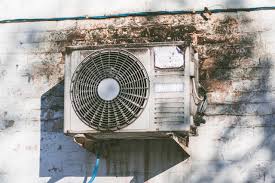
The outdoor unit takes the full impact of the year-end monsoon, yet it’s often the most neglected part of the aircond system.
While outdoor units are designed to withstand rain, constant exposure during heavy monsoon downpours can still cause problems. Water can pool around the base of the unit, especially if drainage around it is poor. Standing water increases the risk of corrosion and can affect electrical components over time.
Outdoor units need good airflow to release heat efficiently—even during cooler, rainy weather. When units are boxed in, placed too close to walls, or surrounded by clutter, ventilation suffers. During monsoon, restricted airflow combined with damp air can reduce performance and increase strain on the system.
Regular inspection for rust, loose panels, and debris buildup is essential. Professional servicing often includes protective measures and cleaning that help extend the life of the outdoor unit during wet seasons.
Monsoon weather changes how cooling feels—and how energy is consumed.
High humidity makes the air feel cooler yet clammy. Many people lower the temperature unnecessarily, thinking the aircond isn’t performing well. In reality, the system may be working harder to remove moisture rather than reduce temperature.
Setting your aircond between 24–26°C usually provides enough cooling while keeping energy usage reasonable. Using overly cold settings increases electricity consumption without improving comfort.
Use dry or dehumidifier mode if available
Avoid constant on-off switching
Use timers during cooler hours
These settings reduce strain while maintaining comfort.
Pre-monsoon servicing is one of the smartest decisions homeowners can make.
A thorough pre-monsoon service typically covers:
Deep cleaning of filters and coils
Drainage system inspection and flushing
Electrical safety checks
Performance testing
Early servicing helps identify hidden issues and ensures your aircond can handle continuous damp conditions without problems.
During monsoon, technician availability can be limited. Preparing early reduces the risk of breakdowns when service demand is highest.
Not all aircond servicing is the same—experience matters.
Rahima Aircond Services understands Malaysia’s year-end monsoon patterns and how they affect airconds in local homes and businesses.
Their servicing focuses on moisture control, drainage efficiency, and electrical safety—key areas during monsoon.
With a strong reputation and professional technicians, Rahima Aircond Services offers dependable support throughout the rainy season. Learn more at rahimaaircondservices.com.
Recognizing early warning signs can prevent major problems.
Weak or uneven cooling
Frequent shutdowns
Unusual noises
Water leaks
Damp smells
Moldy or musty odors
If you notice water near electrical points, burning smells, or repeated tripping, turn off the unit and call a professional immediately.
A simple checklist keeps everything on track.
Schedule professional servicing
Clean or replace filters
Inspect outdoor unit surroundings
Monitor for leaks or odors
Keep filters clean
Use appropriate settings
Inspect for rust or corrosion
Schedule follow-up servicing if needed
The year-end monsoon in Malaysia brings comfort from the heat—but also hidden challenges for your aircond. High humidity, constant moisture, and damp conditions can quietly damage your system if it isn’t properly prepared.
By taking proactive steps—cleaning filters, checking drainage, using smart settings, and scheduling professional servicing with Rahima Aircond Services—you can enjoy a cool, healthy, and worry-free indoor environment throughout the rainy season. Preparation isn’t just about comfort; it’s about safety, savings, and long-term performance.
Yes. Pre-monsoon servicing helps prevent leaks, mold growth, and electrical issues during wet weather.
High humidity increases condensation, and clogged drain lines cause overflow.
Yes, if the system is properly maintained and electrical components are in good condition.
Every 2–3 weeks, or more frequently if usage is high.
You can trust Rahima Aircond Services for professional monsoon-ready aircond care. Visit rahimaaircondservices.com.
Please don’t forget to leave a review.
Trusted by homes and businesses across Johor. Real customers, real results—fast cooling, honest pricing, and reliable local service every time.